Product range
Rope & Cordage
DynIce and Dyneema rope, mooring lines, and towing systems for fishing, marine, and offshore work.
Services
Rope and wire splicing, Dyneema splicing, crane cables, terminations, bridles and strops.
The service
Every Dyneema rope table Hampidjan publishes carries the same caution: splicing can reduce strength by up to 10% of the table breaking strength. That figure is the whole craft — a good splice keeps what it can, and a bad one gives away more than you budgeted for.
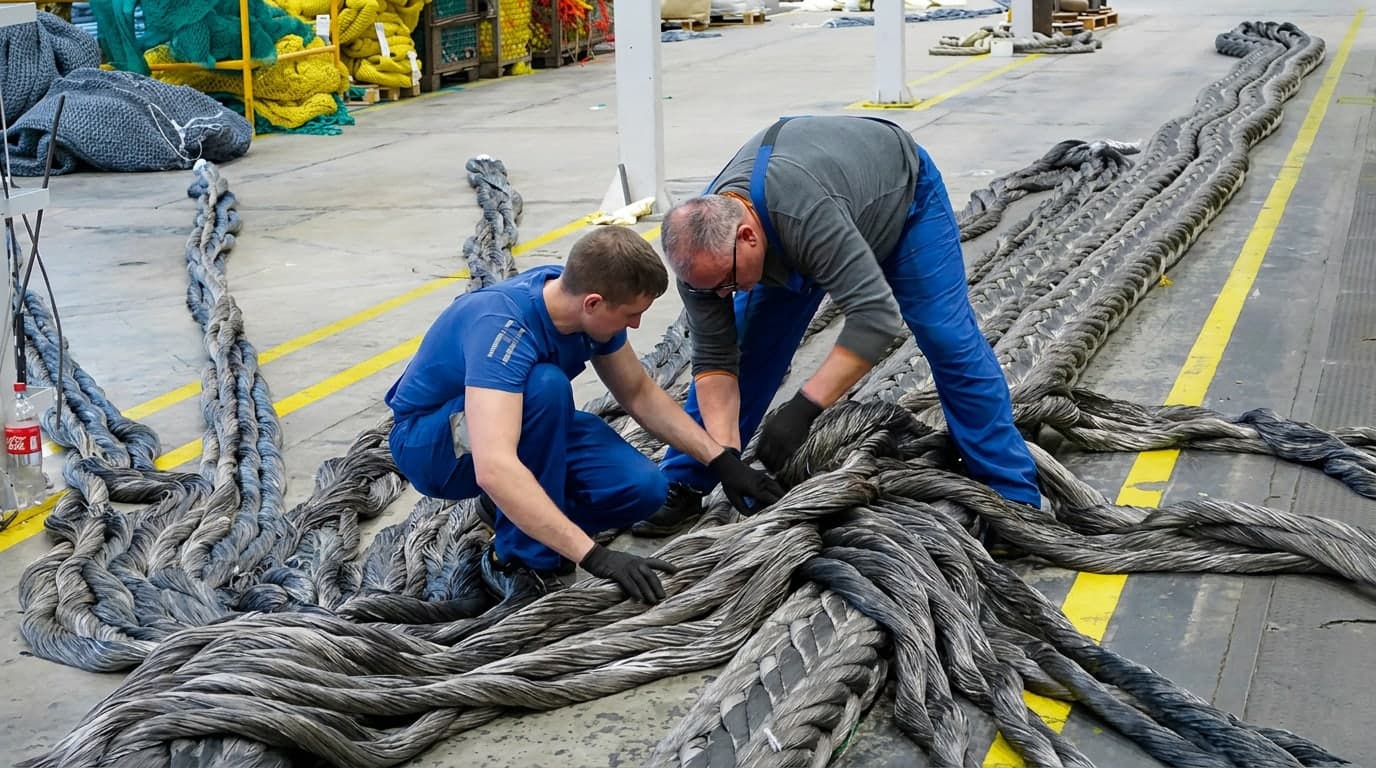
We splice wire and synthetic rope in all dimensions and in every construction that comes through the door — 3-strand and 8-strand, 12-strand braided such as DynIce, Dux, Prima and Robus, the same ropes with a cover braid, double braid, and wire — terminating to thimble eyes, soft eyes, hook terminations, ferrules and covered eyes. What the job lands on decides the termination; what it has to survive decides the rope.
Because the 500,000 lb test bed is in the same building, we are in a position to prove a termination rather than quote someone else's number for it.
Capabilities
Rope splicing and wire splicing in all dimensions — Dyneema splicing, crane cables, terminations, covered eyes, bridles and strops — built into working assemblies and testable on our own bed.
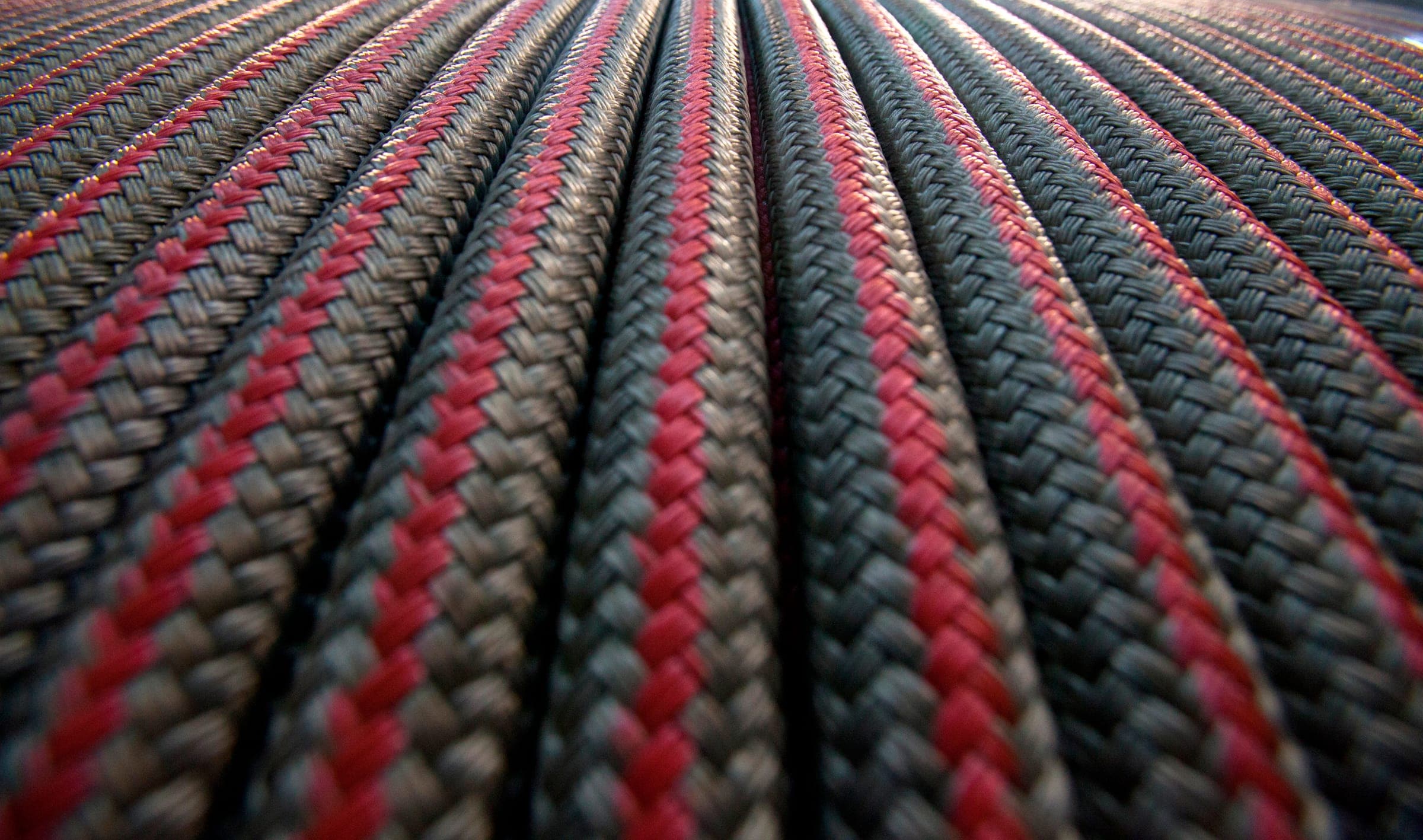
3-strand and 8-strand, 12-strand braided, the same ropes covered, double braid, and wire.
DynIce, Prima and Robus are each made both ways, and we splice them either way.
Thimble eyes, soft eyes, hand-spliced eyes and hook terminations, in rope and wire.
Braided protective sleeves guard a rope eye or a wear point — doubled or tripled where it takes real abrasion. Steel ferrules do a different job: the wire is formed into an eye and the ends secured in the sleeve, pressed in the press.
Hand spliced or clamped in the press, in galvanized, stainless, combination and PVC-covered wire — crane cables included.
Made to order, to the length and breaking strength the job asks for.
Warps measured and marked so what is on the drum is what you think is on the drum.
Turning of wires and warps, and repair of your own wire.
New wires and warps installed on board, not just sold over the counter.
The bench
What holds in 12-strand Dyneema is not what holds in 3-strand nylon or in wire. The construction decides the termination, and the application decides the construction.
| Construction | Ropes we work with | Terminations | Typical use |
|---|---|---|---|
| 3-strand twisted | Nylon, polyester, polysteel | Hand-spliced eyes, thimble eyes, soft eyes | Moorings, lazy lines, general deck work |
| 8-strand braided | Nylon and polyester mooring rope | Hand-spliced eyes, thimble eyes | Mooring and dock lines |
| 12-strand braided | HMPE — DynIce 75 (4–84 mm), DynIce Dux (7–51 mm), Prima, Robus. Nylon — Nylex. | Eye splices, soft eyes, covered eyes, protective sleeves | Bridles, back strops, warps, towing |
| 12-strand with a cover braid | The same ropes supplied with a protective cover — DynIce, Prima and Robus are each made both ways | Eye splices with the cover carried through | Where abrasion is the limiting factor |
| Double braid | Nylon and polyester double braid, including rope you bring us | Eye splices worked core and cover, thimble eyes | Mooring and dock lines, general marine |
| Wire rope | Galvanized, stainless, combination and PVC-covered steel | Hand-spliced eyes, eyes pressed into steel ferrules, thimble eyes, wire socks | Warps, bridles, crane cables, lifting assemblies |
| Finished assemblies | Any of the above, made to your length | Hook terminations, master links, shackle eyes | Built to the fitting it lands on |
Scroll the table sideways for all 4 columns.
Not everything on this bench is ours to begin with — we splice an eye in the rope of your choosing. Diameters and figures are the published Hampidjan tables; the finished assembly is sized for your job rather than read off a chart, and it can go on the bed before it leaves.
The shop floor
Every photograph below is our own bench, our own tooling and work that left the door. Most riggers can splice; not many can walk the finished assembly into the next bay, put it under load and hand you the documentation for it.
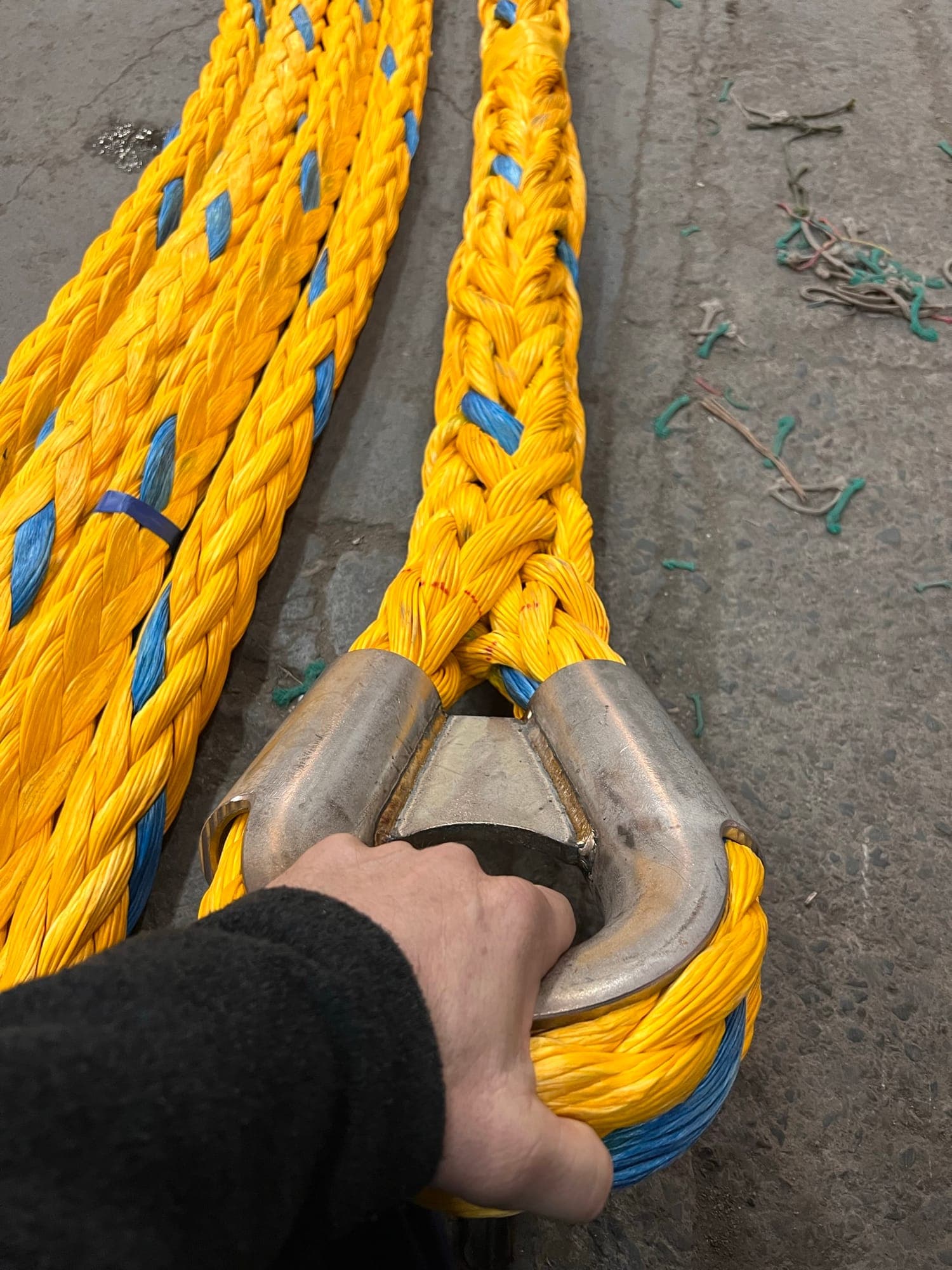
Prima spliced around a heavy steel thimble, because the fitting on your gear decides the end we build — thimble, soft eye, hook or master link.
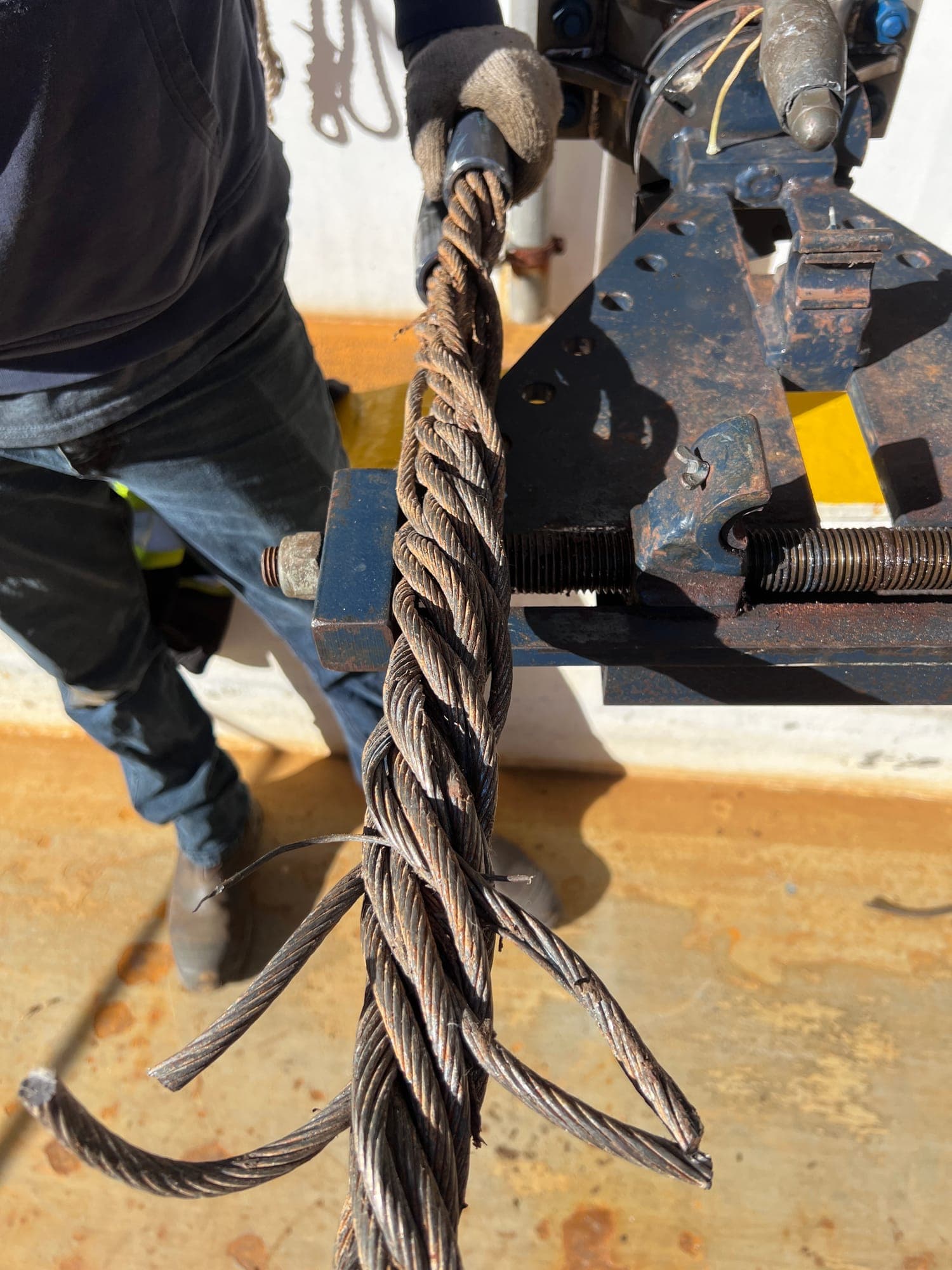
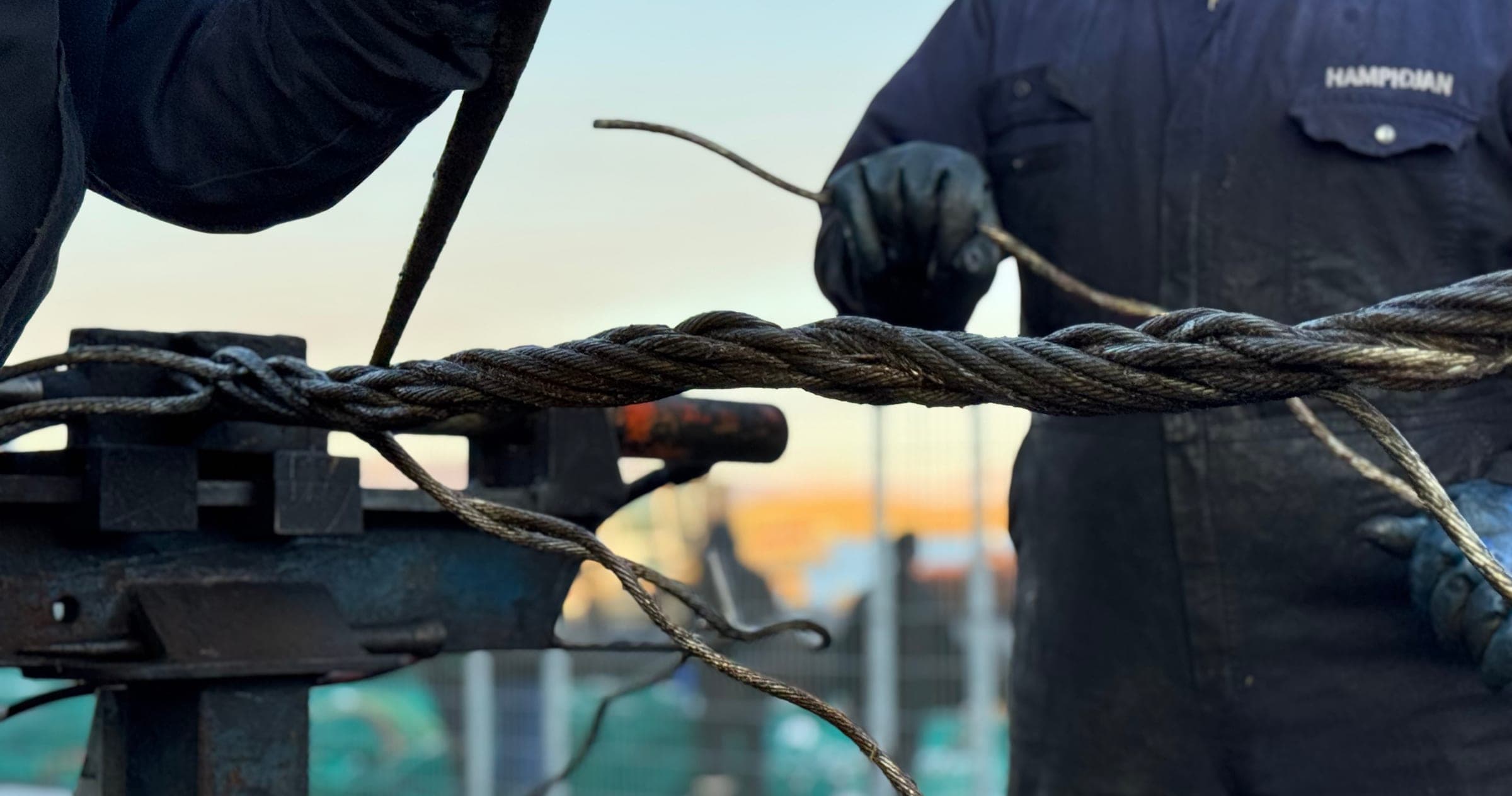
The rope clamped, the strands opened and tucked back into the lay one at a time. Slower than a ferrule, and the right answer when the end has to run over a sheave.
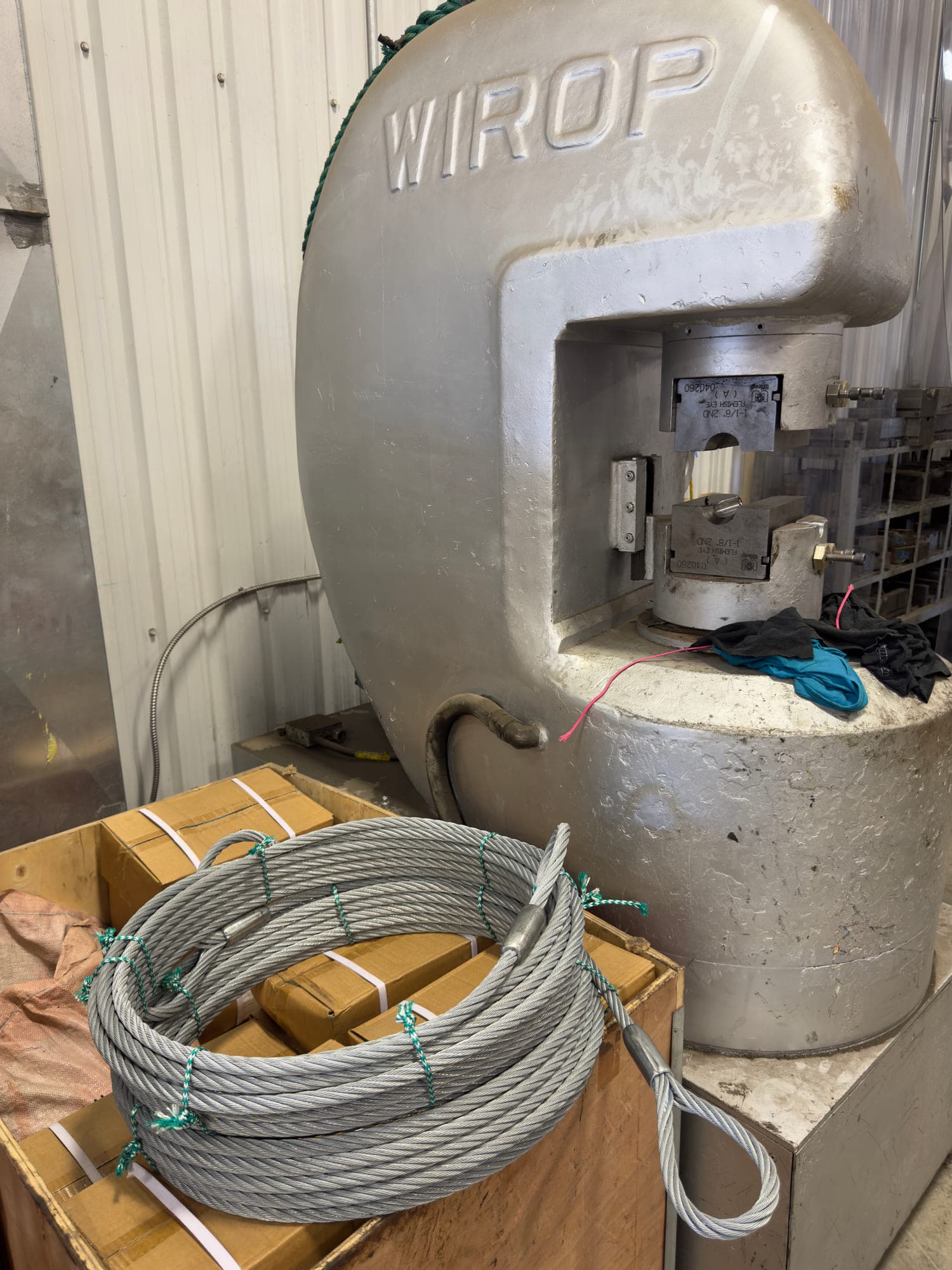
The other way to finish a wire end. The eye is formed, a steel ferrule slid over both parts, and the whole thing squeezed shut in the dies.
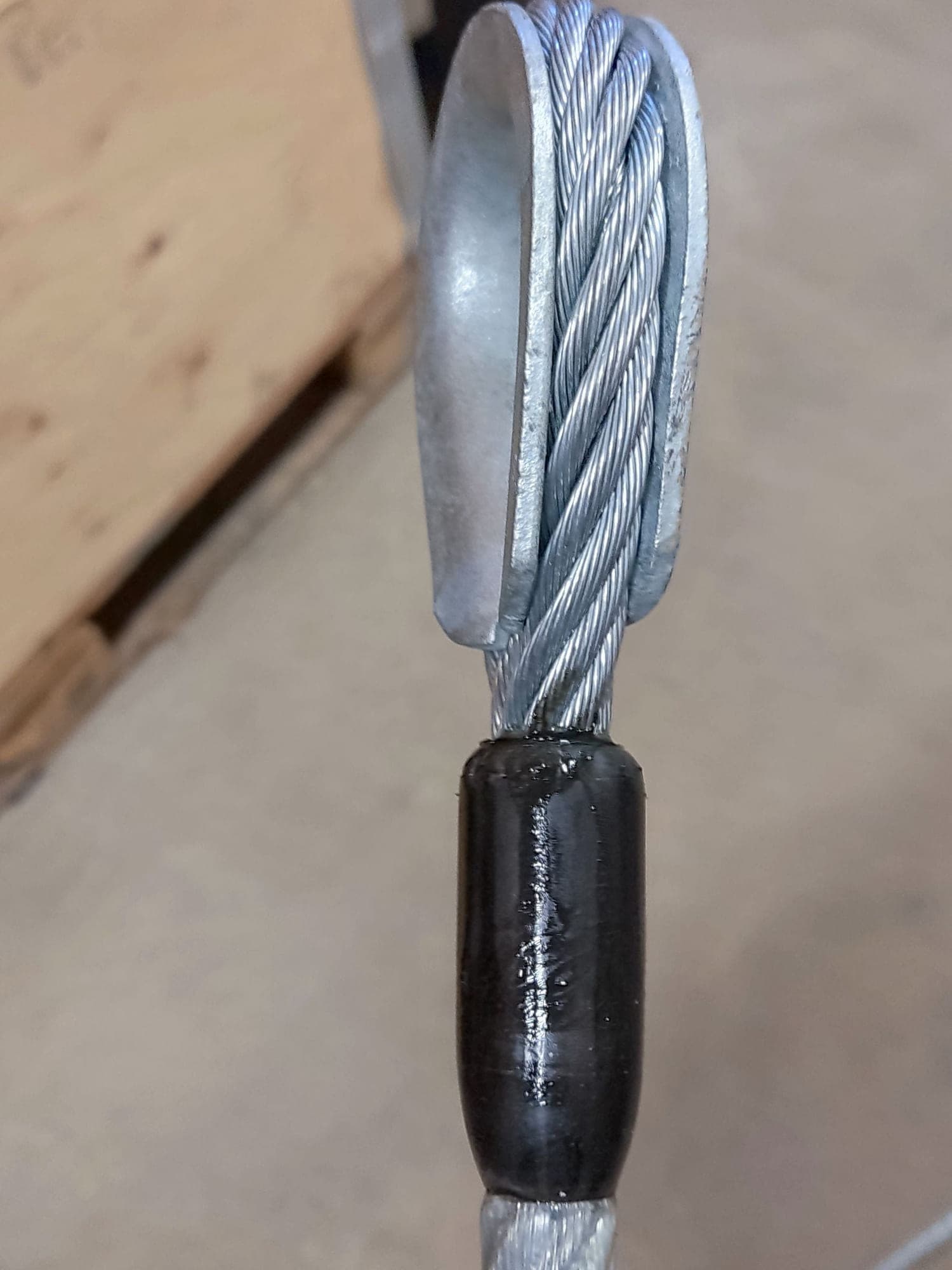
The thimble seated in the eye, the steel ferrule squeezed shut below it. No tucks and no tail — the termination is the sleeve and what it grips.
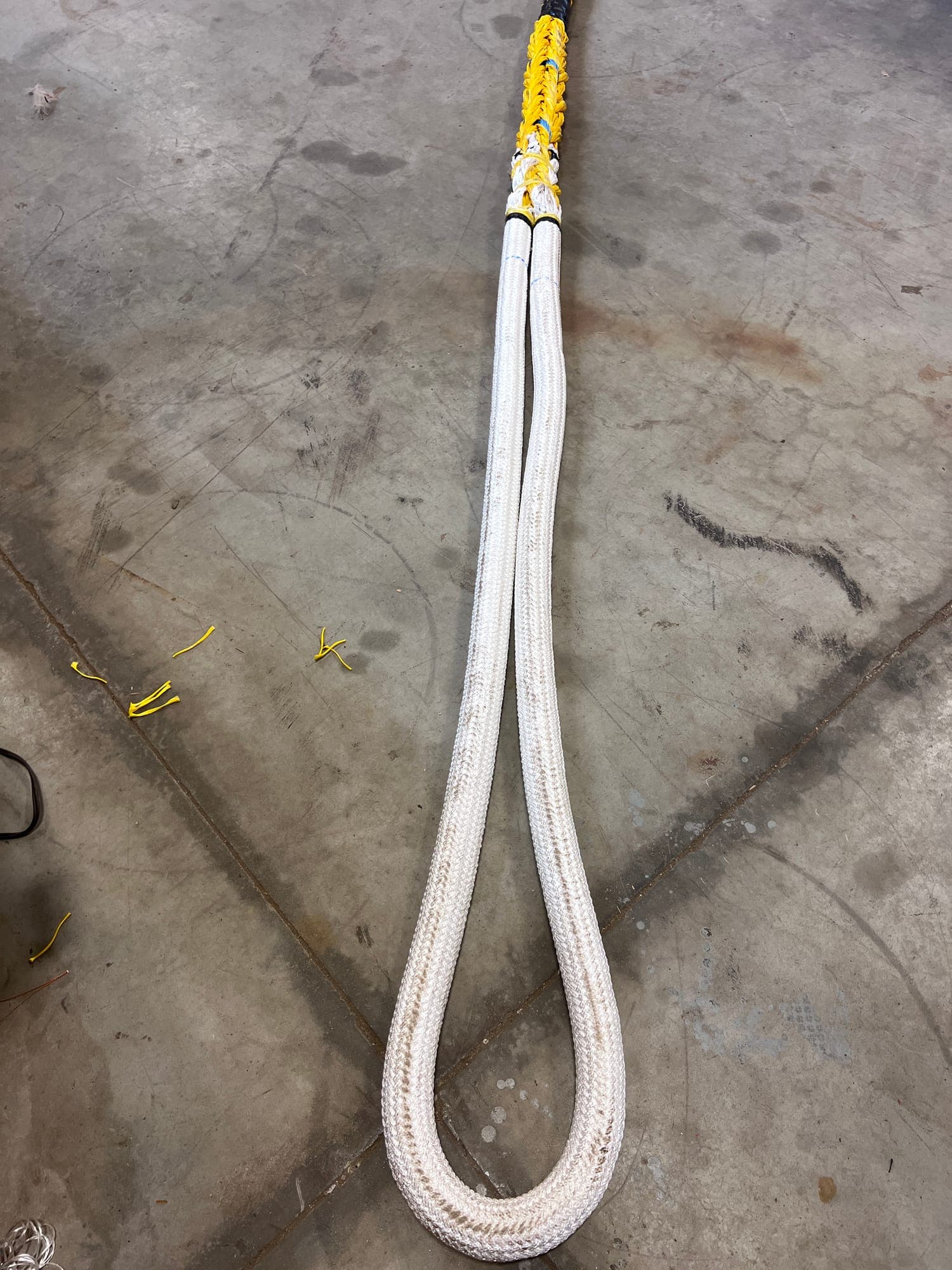
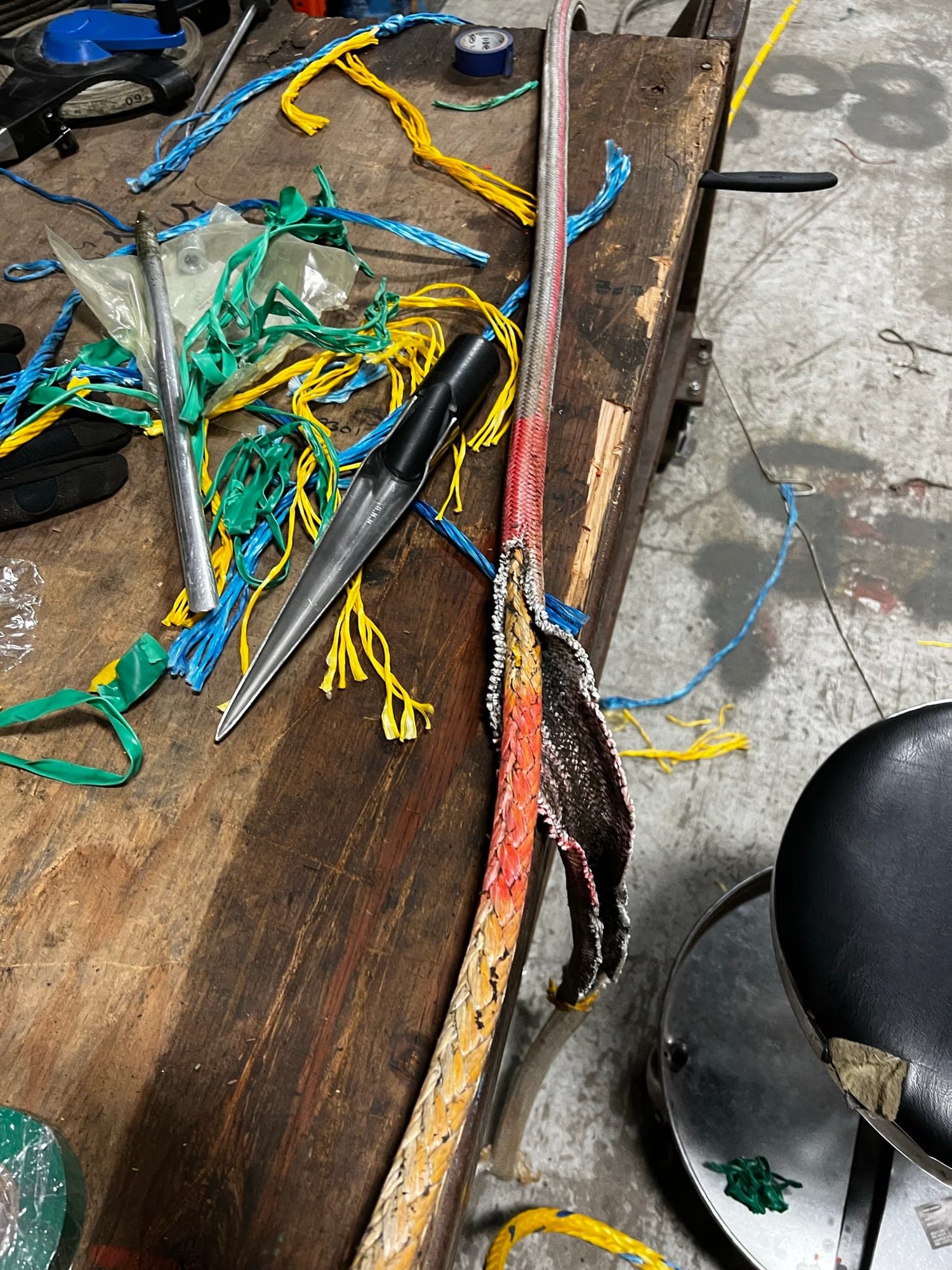
A braided sleeve carried over the eye and the wear points, doubled or tripled where the rope works against steel. It takes the abrasion instead of the rope, which is how the assembly stays in service longer.
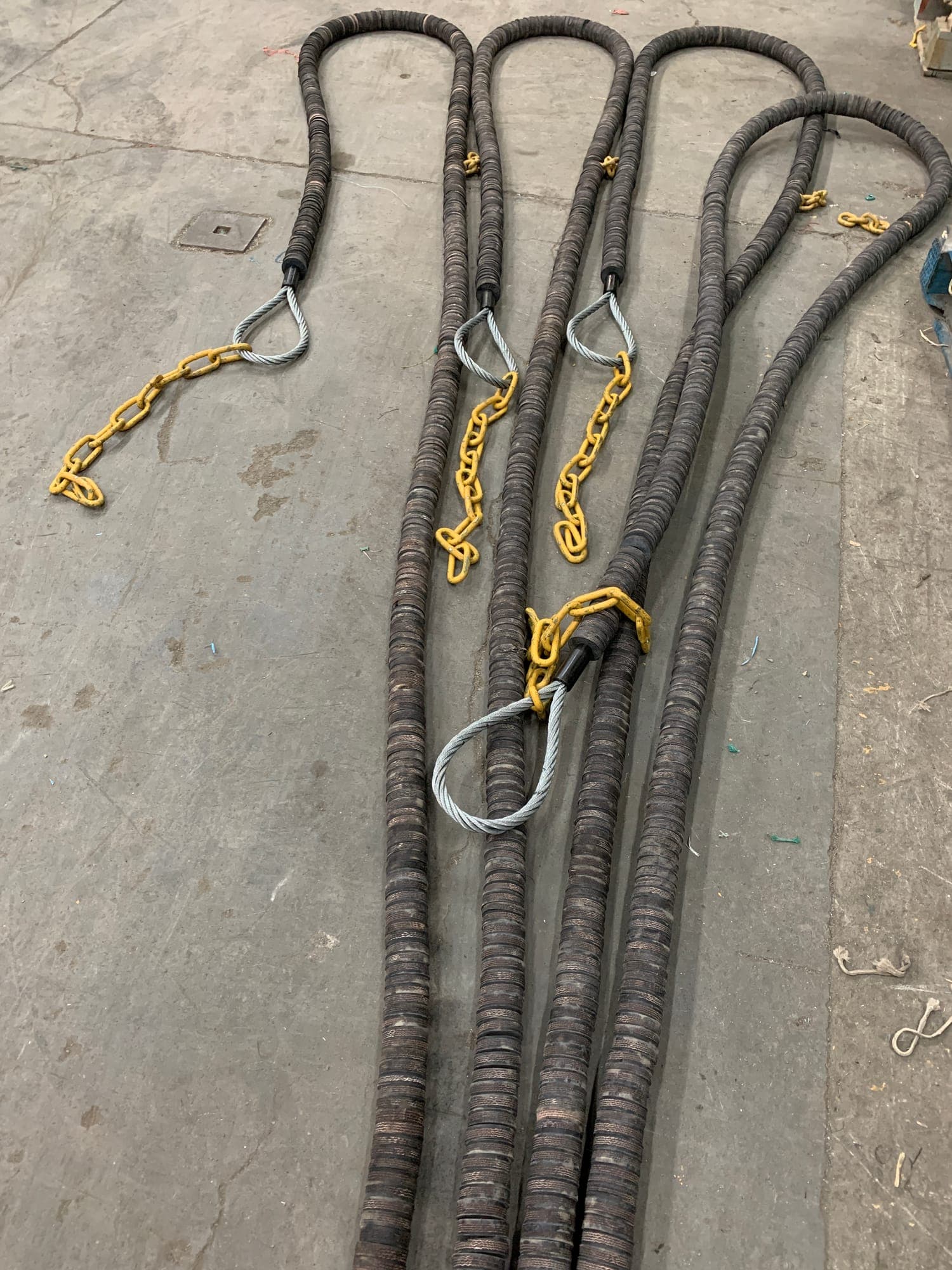
Each leg sleeved in rubber spacers along its length, terminated in a pressed soft eye and tailed with chain. Built to the length and the fitting the job asks for.
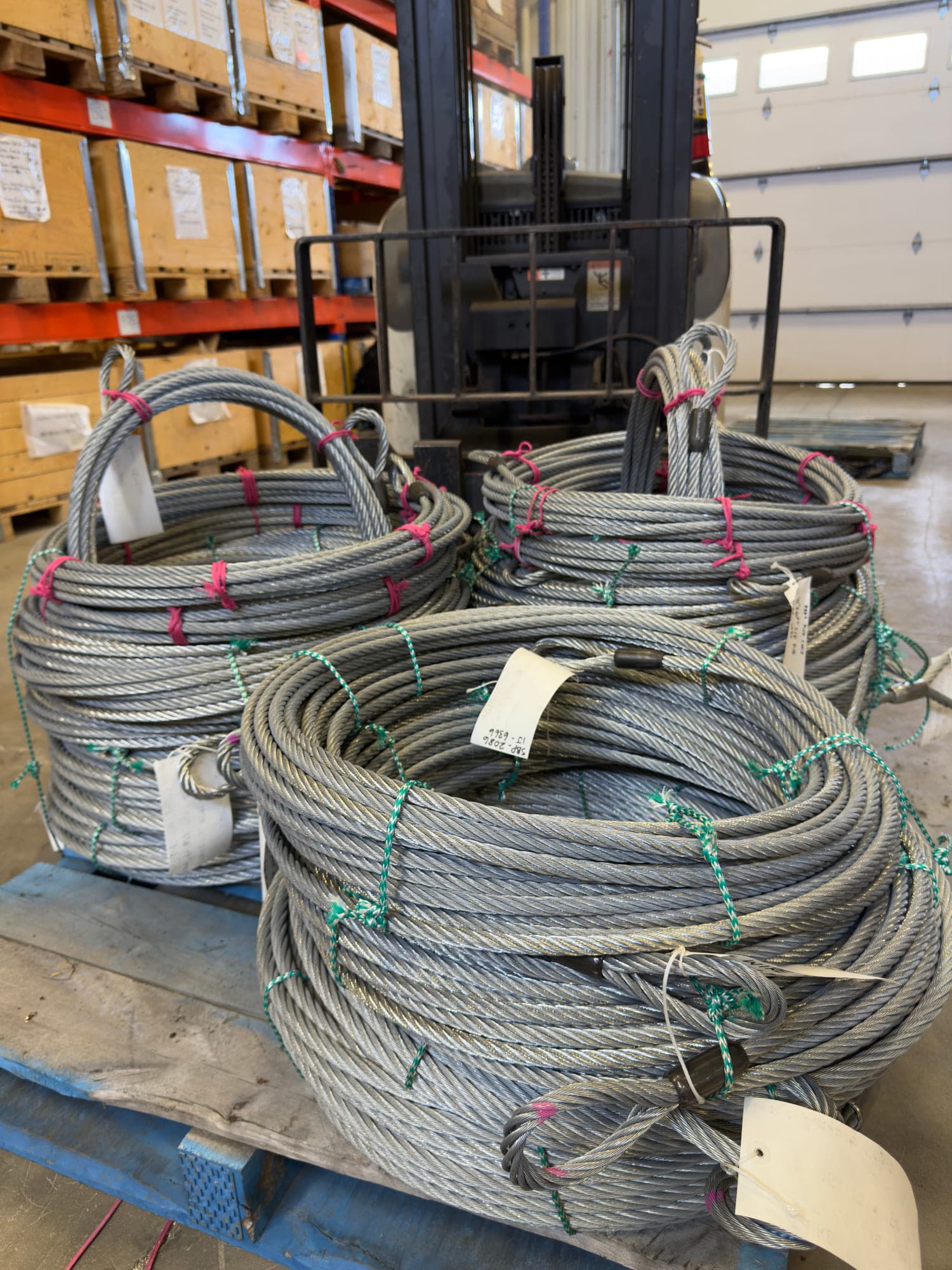
Finished assemblies coiled, whipped and tagged on the pallet. Each tag records the job number, length, wire type and build specification.
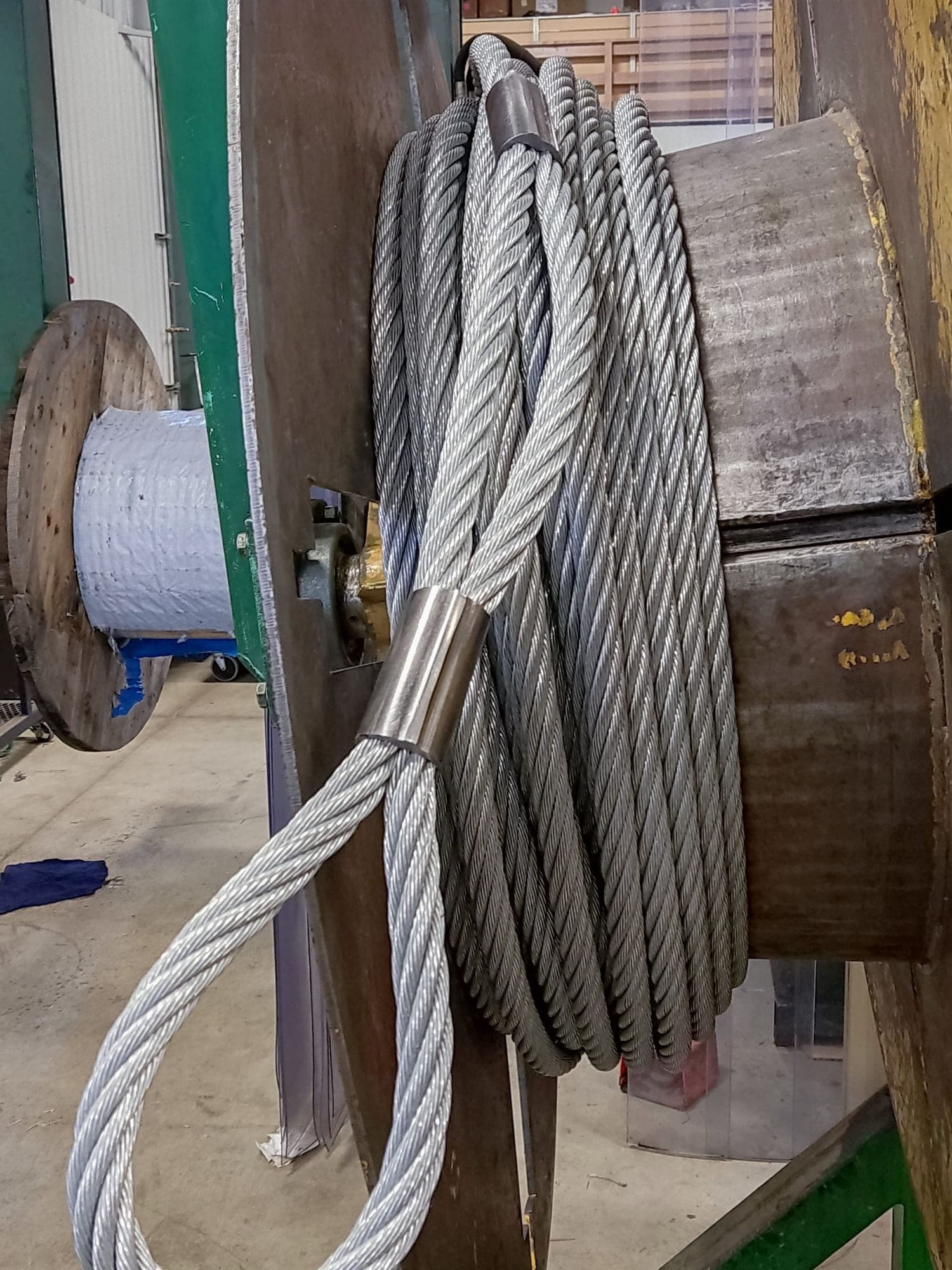
The eye finished with a sleeve pressed over the wire where it doubles back, then the whole length coiled on the drum and ready to go out.
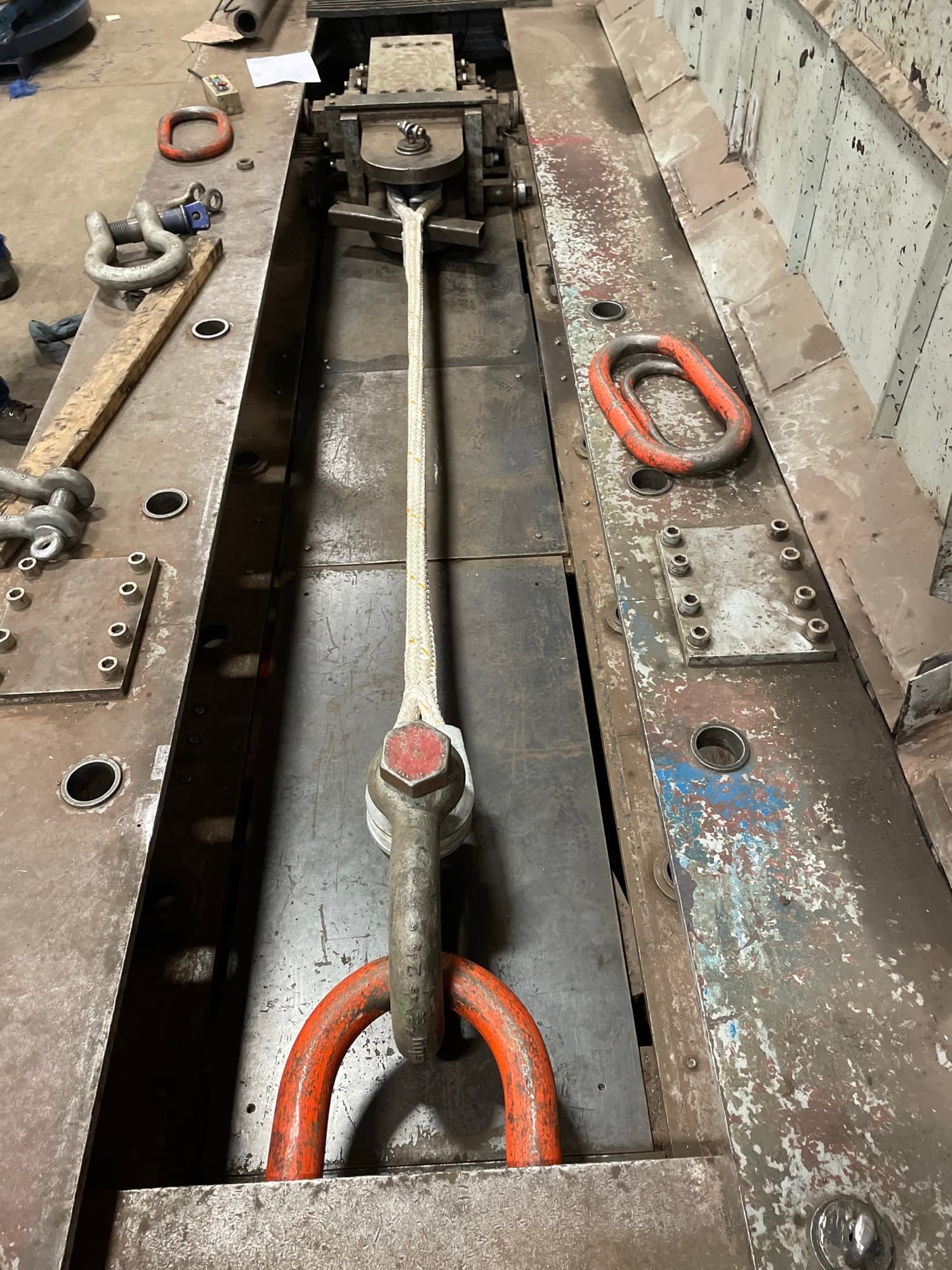
An assembly we splice can go straight onto the 500,000 lb bed and leave with the applicable test certificate for that item. The photograph is exactly that: our own splice, under load, on our own bed.
What you get back
Rigging is not a product off a shelf. What leaves the bench is built for the job you described, and it can leave with evidence rather than assurance.
Spliced and terminated to the length and rating the job asks for.
Proof tested on our own bed before it leaves, with the certificate for the item.
New wires and warps installed on the vessel, not handed over the counter.
Process
One conversation starts it — we scope the job, do the work, and stand behind it through the season.
The load, the length, the fitting it has to land on, and whether it is going back on the same vessel.
Material and diameter sized to the working load, and the termination chosen for the fitting it lands on.
Hand spliced or clamped in the press, to thimbles, ferrules or covered eyes.
Straight onto the 500,000 lb bed, and out with the applicable test certificate for that item. Say so when you order — it changes the schedule.
Solutions
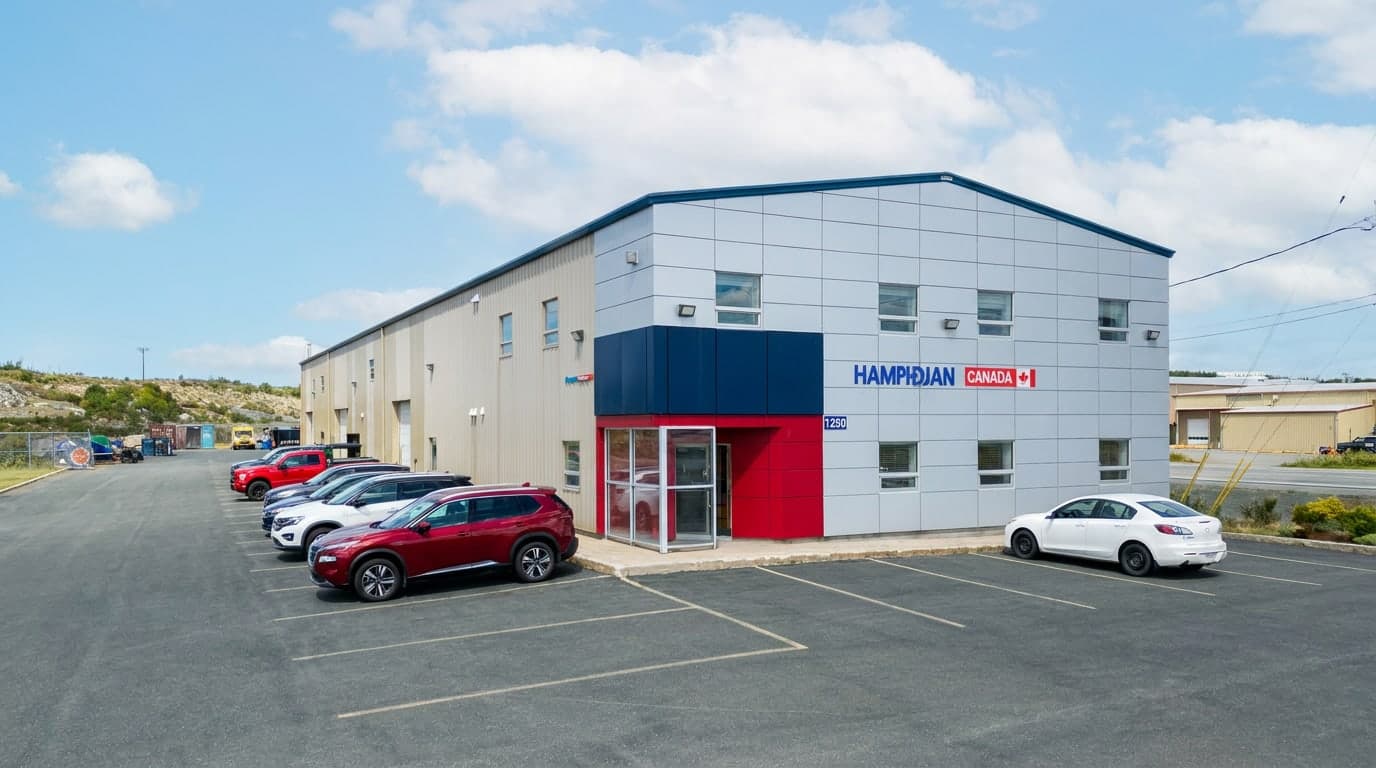
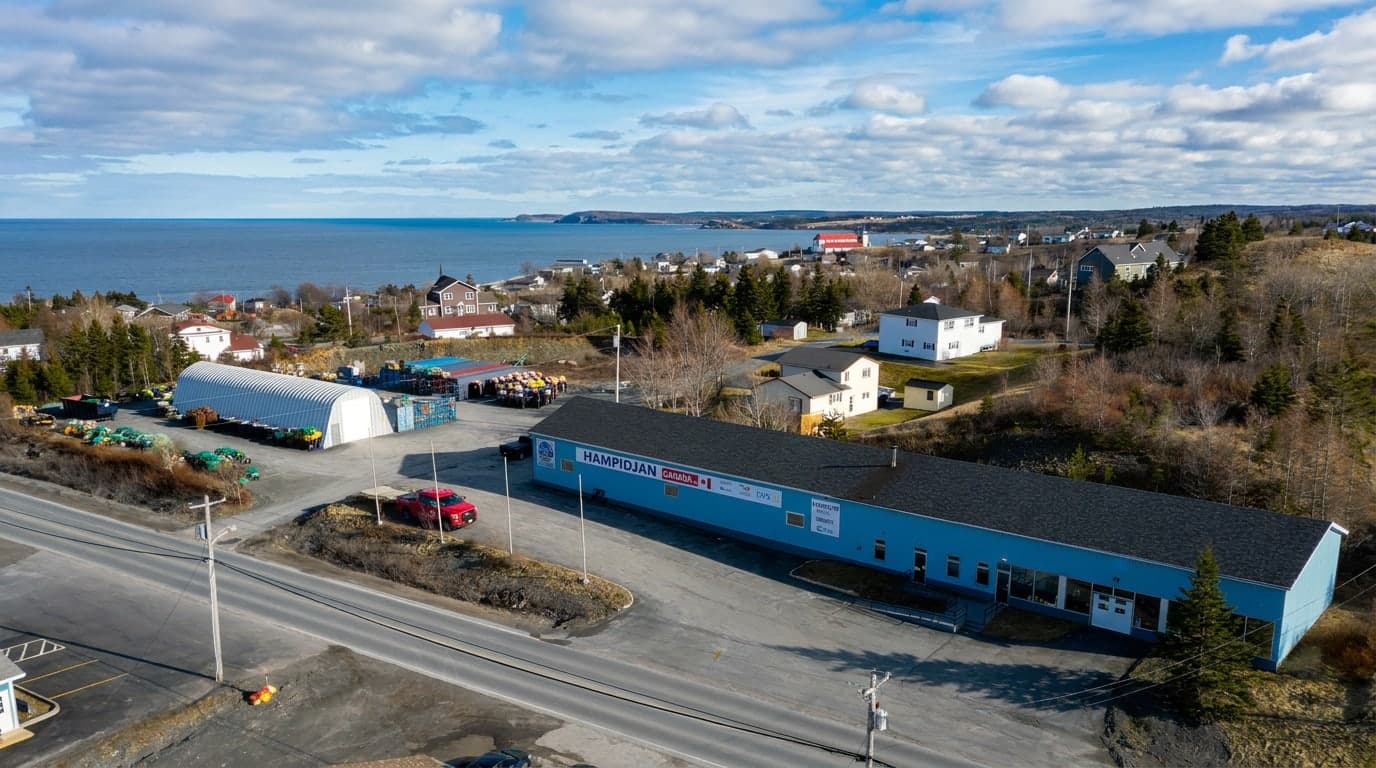
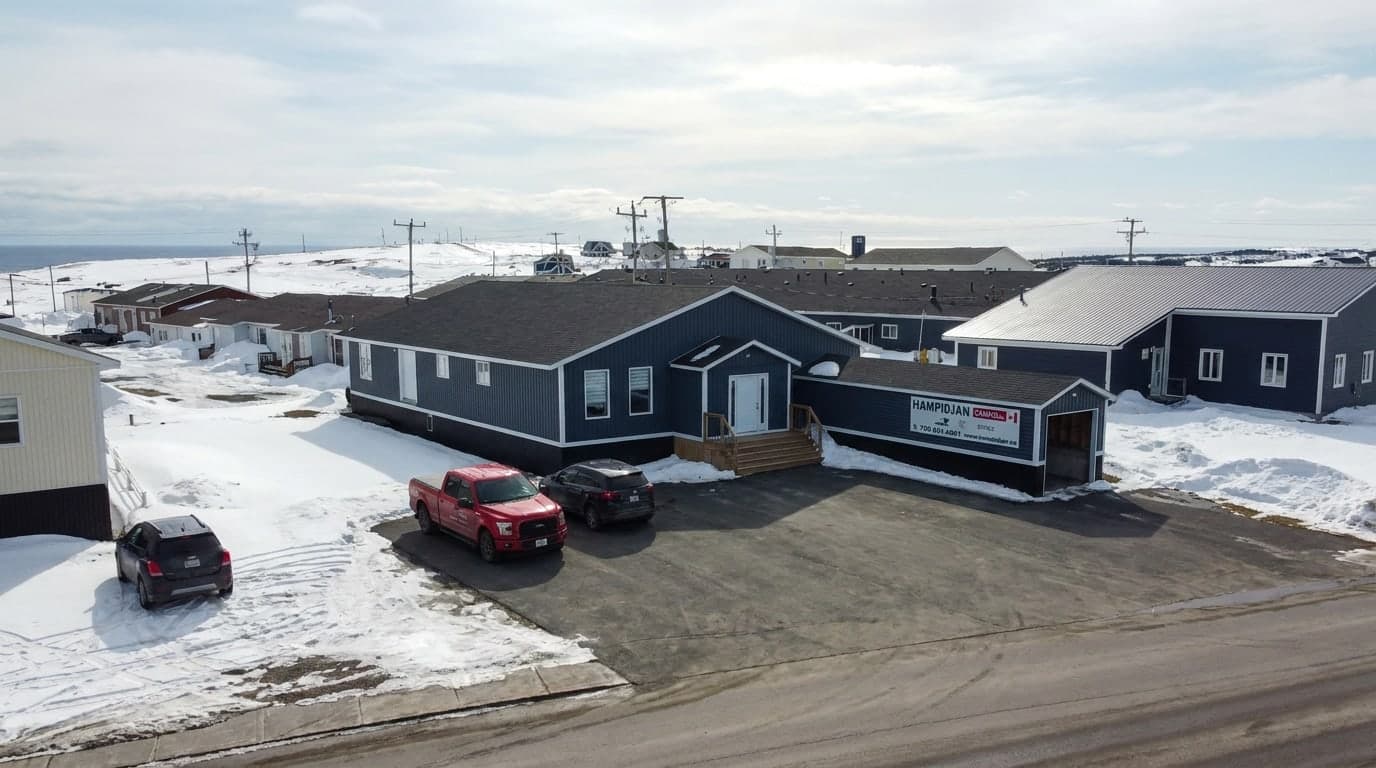
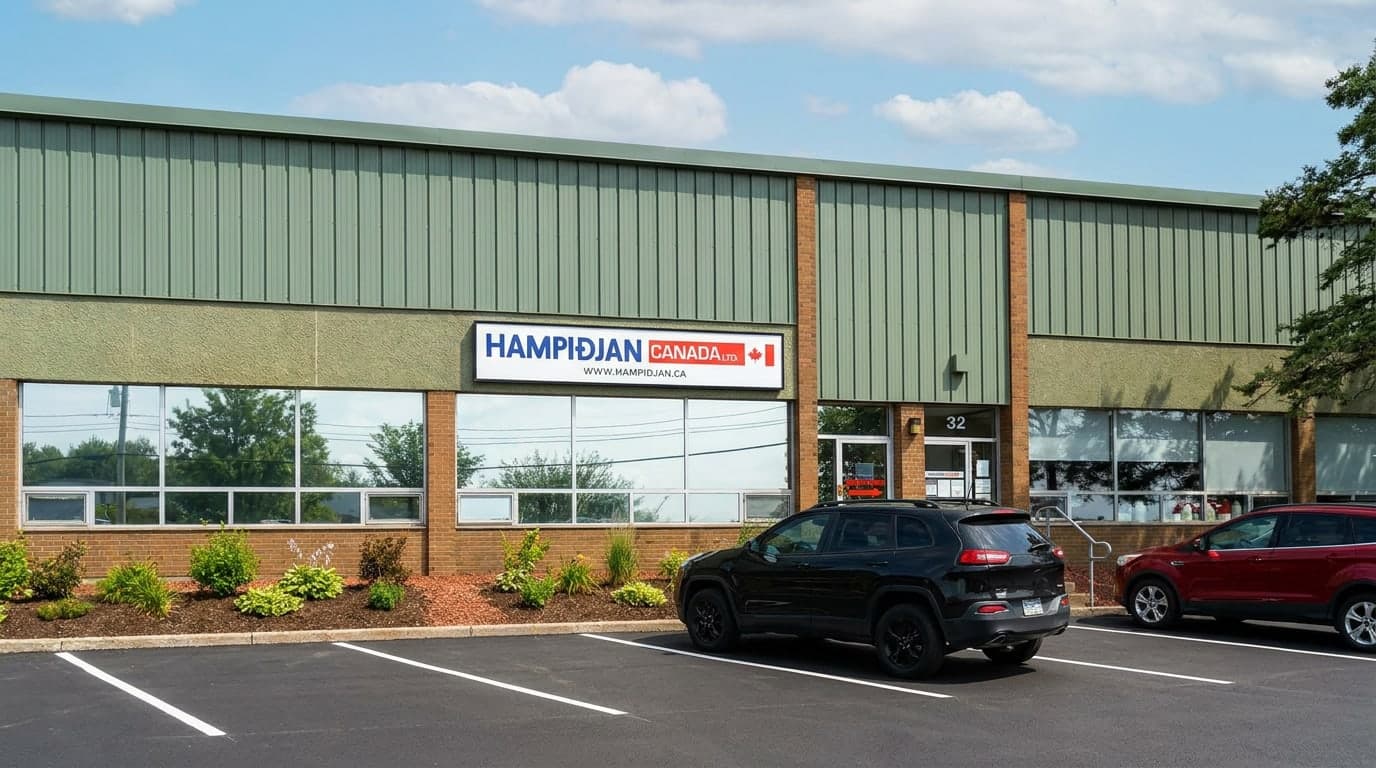
We supply the gear and we do the work. Both halves come from the same four shops.
Product range
DynIce and Dyneema rope, mooring lines, and towing systems for fishing, marine, and offshore work.
Product range
Wire rope, thimbles, ferrules, shackles, and the hardware a finished assembly lands on.

Local support
Bring gear to the nearest shop or call — every request routes to the right crew, and in-season work is scheduled around your openings.
Find your branchFAQ
Send specs, photos, drawings, or inspection and testing requests. Your reply comes from the branch that will do the work.